
HEAL Microgreens is at the forefront of modern urban agriculture, combining cutting-edge practices with a deep commitment to environmental stewardship. Our microgreens are cultivated from non-GMO, untreated seeds and grown in organic coco peat soil—a sustainable medium that ensures superior moisture retention and optimal root development. Utilizing filtered water throughout our process guarantees that every plant is nurtured in a pristine, controlled environment free from impurities.
HEAL Microgreens cultivates nutrient‐dense greens from untreated, non‐GMO seeds grown without chemical inputs. HEAL Microgreens harvests its produce at an early stage—when vitamins, minerals, and antioxidants are most concentrated. For example, studies published in the Journal of Agricultural and Food Chemistry and data from the USDA National Nutrient Database show that many microgreens—can contain up to 10 times the nutrient levels found in their mature counterparts.
Beyond their superior nutritional profile, HEAL Microgreens employs sustainable production methods that require far less water, space, and time than traditional farming. This efficient growth cycle allows us to deliver fresh, high-quality produce year‐round while minimizing our environmental footprint. By choosing HEAL Microgreens, you’re not only enhancing your diet with a potent source of nutrition but also contributing to a greener, more sustainable planet.
At HEAL Microgreens, our commitment to delivering fresh, high-quality microgreens is at the heart of everything we do. Here's how we ensure that every batch meets our rigorous standards:
At HEAL Microgreens, our journey began with a simple yet powerful introduction to these tiny plants while growing for MicroThumbs – the biggest microgreens farm network in Africa. At first, it was just another agricultural venture, producing high-quality microgreens for an established network. But as I immersed myself in the process, I started researching their benefits—and what I found completely changed my perspective.
Microgreens aren’t just a fancy garnish; they’re a powerhouse of nutrition. According to research published by the Journal of Agricultural and Food Chemistry (2012), microgreens can contain up 40 times more nutrients than their fully grown counterparts. For example, red cabbage microgreens are packed with 40 times more vitamin E and six times more vitamin C than mature red cabbage. Coriander microgreens have significantly higher concentrations of carotenoids, which are vital for eye health and immunity. These tiny greens aren’t just smaller versions of vegetables—they’re nutrient-dense superfoods.
Seeing this, I couldn’t ignore the potential. Why should microgreens be limited to high-end restaurants or health-conscious chefs? If these little greens could offer such immense benefits, then they should be accessible to everyone—families, home cooks, athletes, and anyone looking to improve their diet naturally. That’s when HEAL Microgreens took on a new mission: not just to grow, but to educate and provide fresh, sustainable, and locally grown microgreens to those who truly care about their health.
Our approach focuses on freshness, sustainability, and making a real impact. We grow using non-GMO, untreated seeds and natural methods to ensure that every batch delivers the highest possible nutritional value. Whether you're adding them to salads, smoothies, sandwiches, or gourmet dishes, our microgreens bring a burst of flavor, texture, and health benefits to every meal.
.
This journey started with curiosity, but it evolved into a passion. HEAL Microgreens exists because we believe that good health starts with what we eat—and these tiny greens can make a massive difference
.
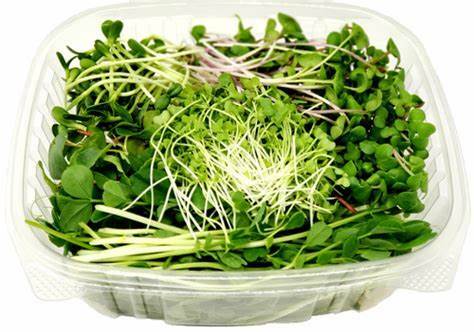
At HEAL Microgreens, we take pride in offering a diverse selection of fresh, nutrient-rich microgreens and herbs to enhance your culinary creations. Each variety is cultivated with care to ensure optimal flavor and health benefits. Here's an overview of our current offerings:
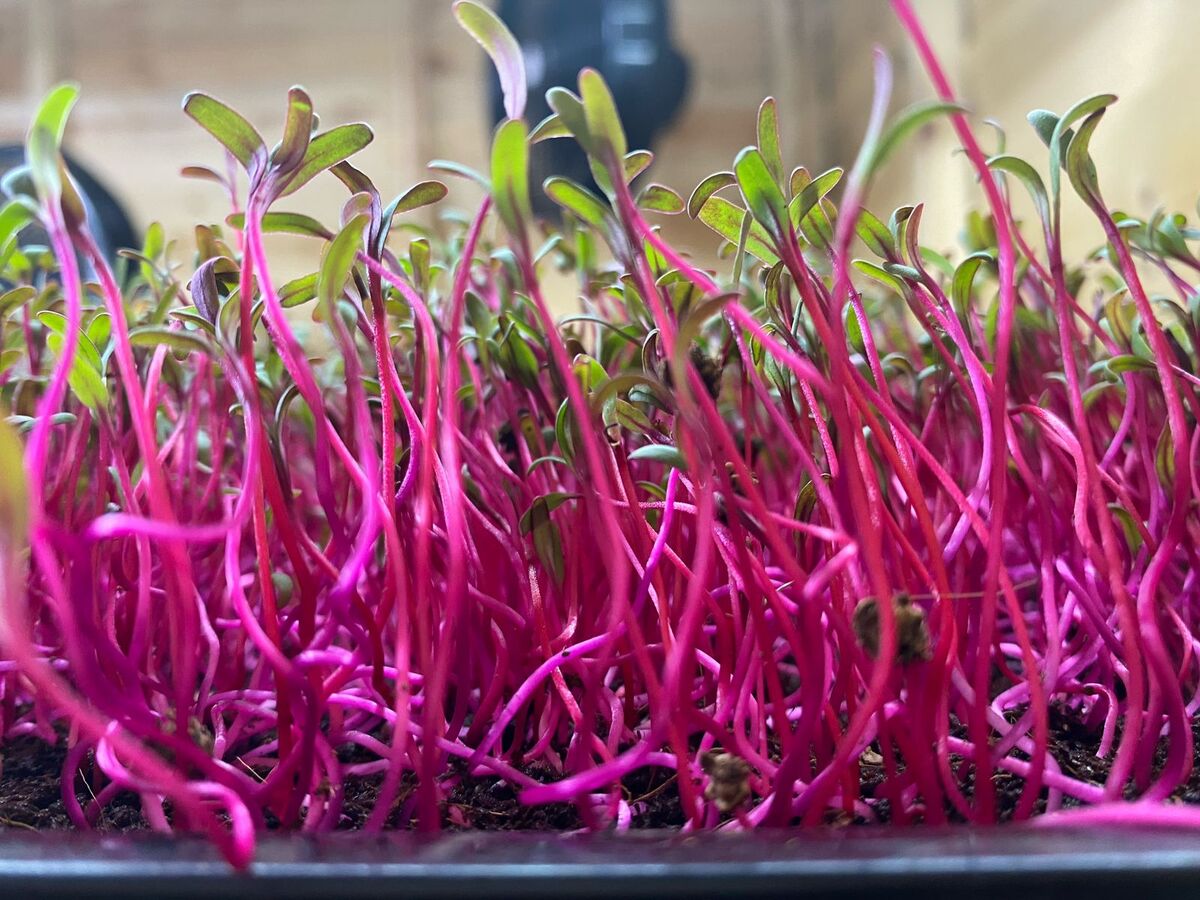
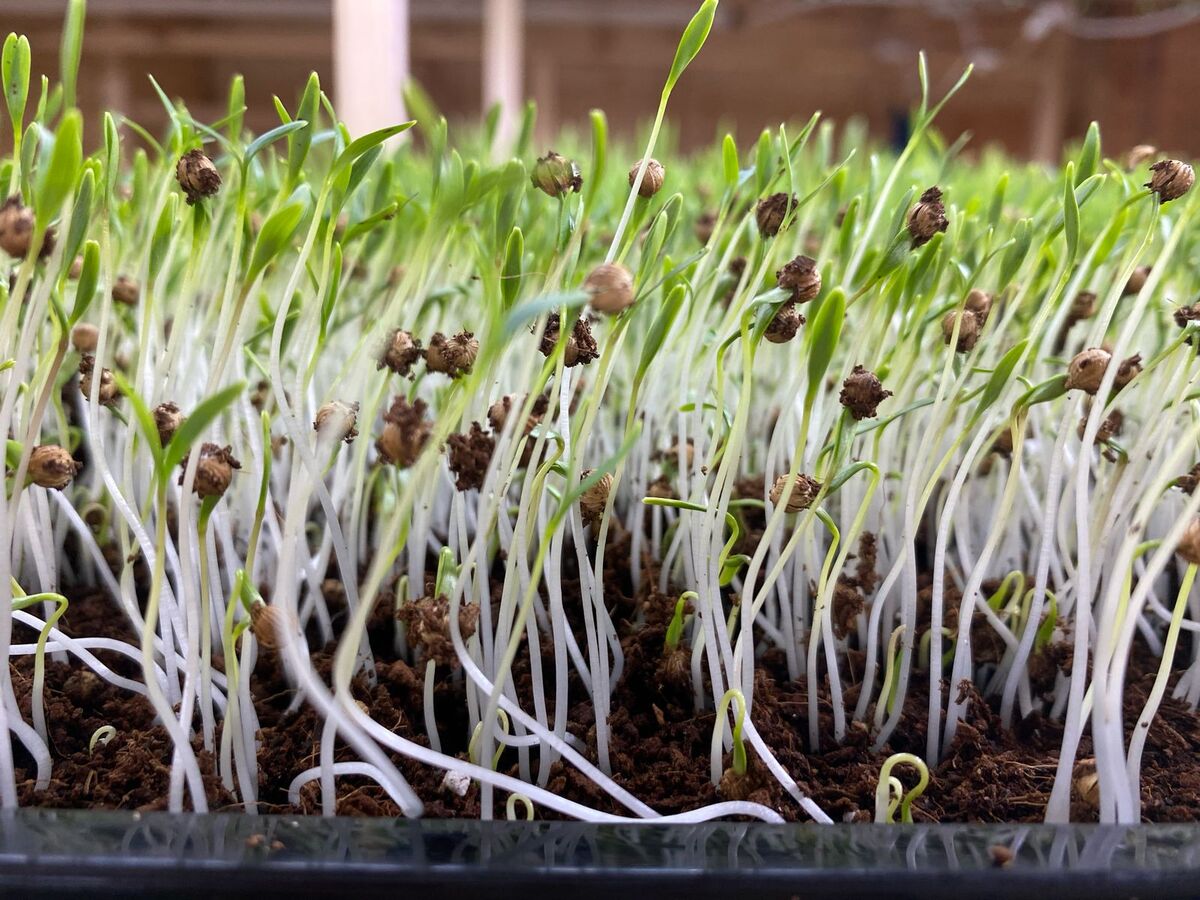
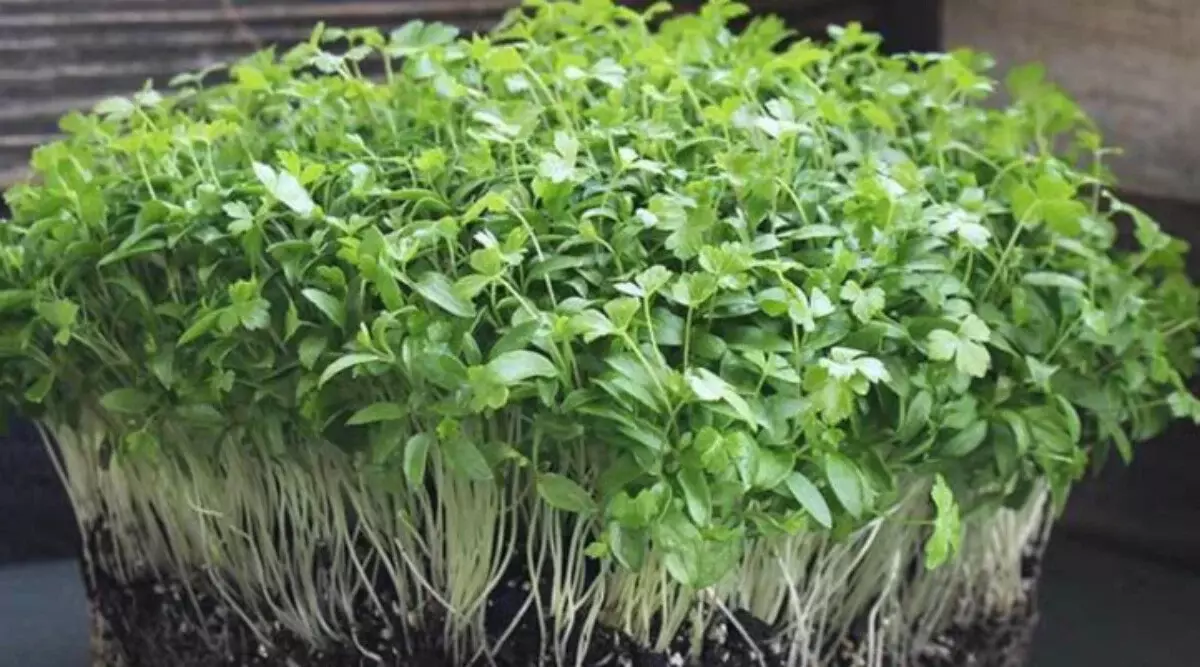
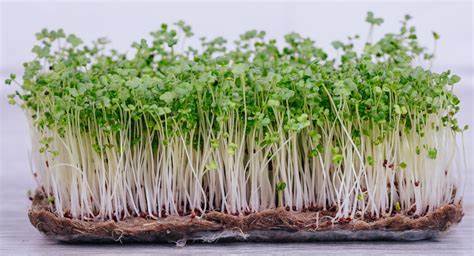
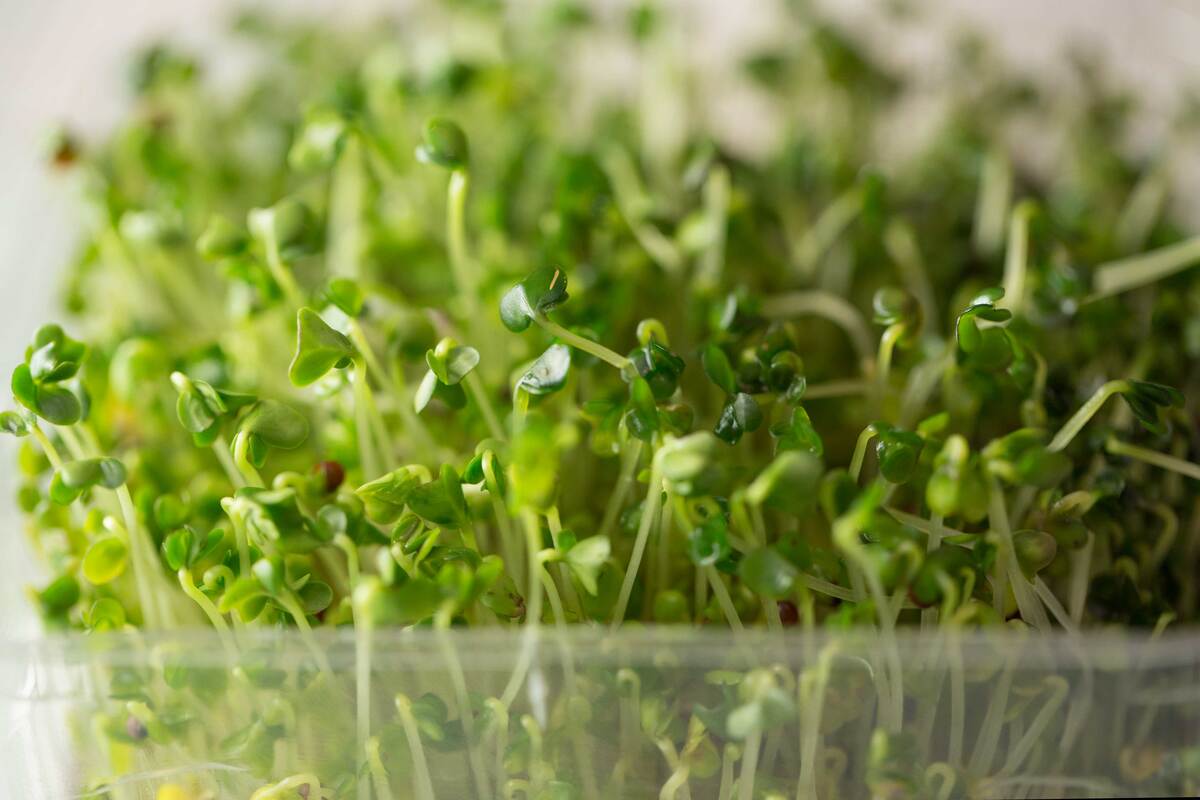
Chef’s Blend 4 Variety Mix
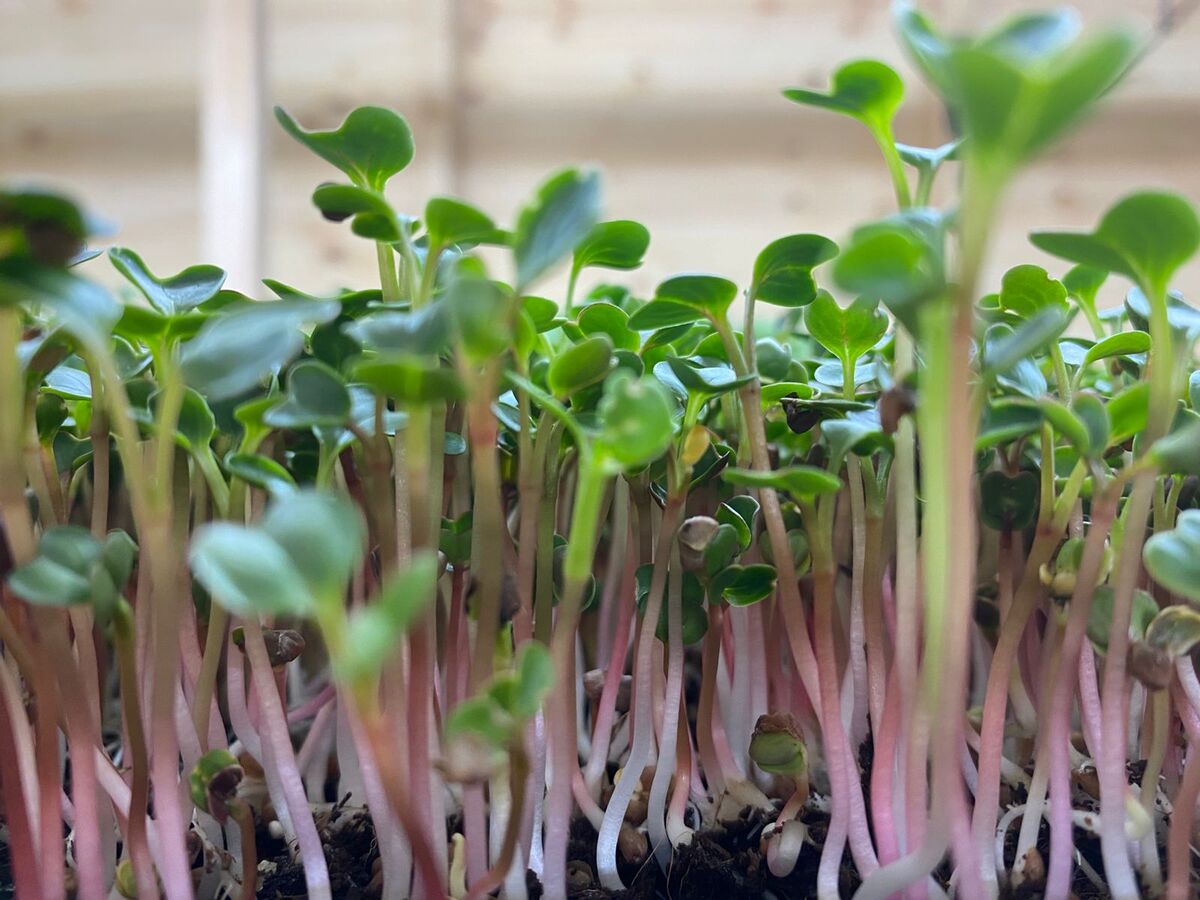
Ingredients: Combination of 4 from Radish, Tsai Tsai Radish, Broccoli, Purple Kohlrabi, Chinese Cabbage, and Mustard.
Flavor: Peppery, slightly sweet, and mildly bitter.
Uses: Great for salads, sandwiches, and garnishes, adding crunch and spice.
Chef’s Blend 5 Variety Mix
Ingredients: Combination of 5 from Radish, Tsai Tsai Radish, Broccoli, Purple Kohlrabi, Chinese Cabbage, Mustard, Swiss Chard, and Beetroot.
Flavor: A mix of earthy, spicy, and sweet notes.
Uses: Ideal for fresh salads, wraps, or adding depth to warm dishes.
Detox Mix
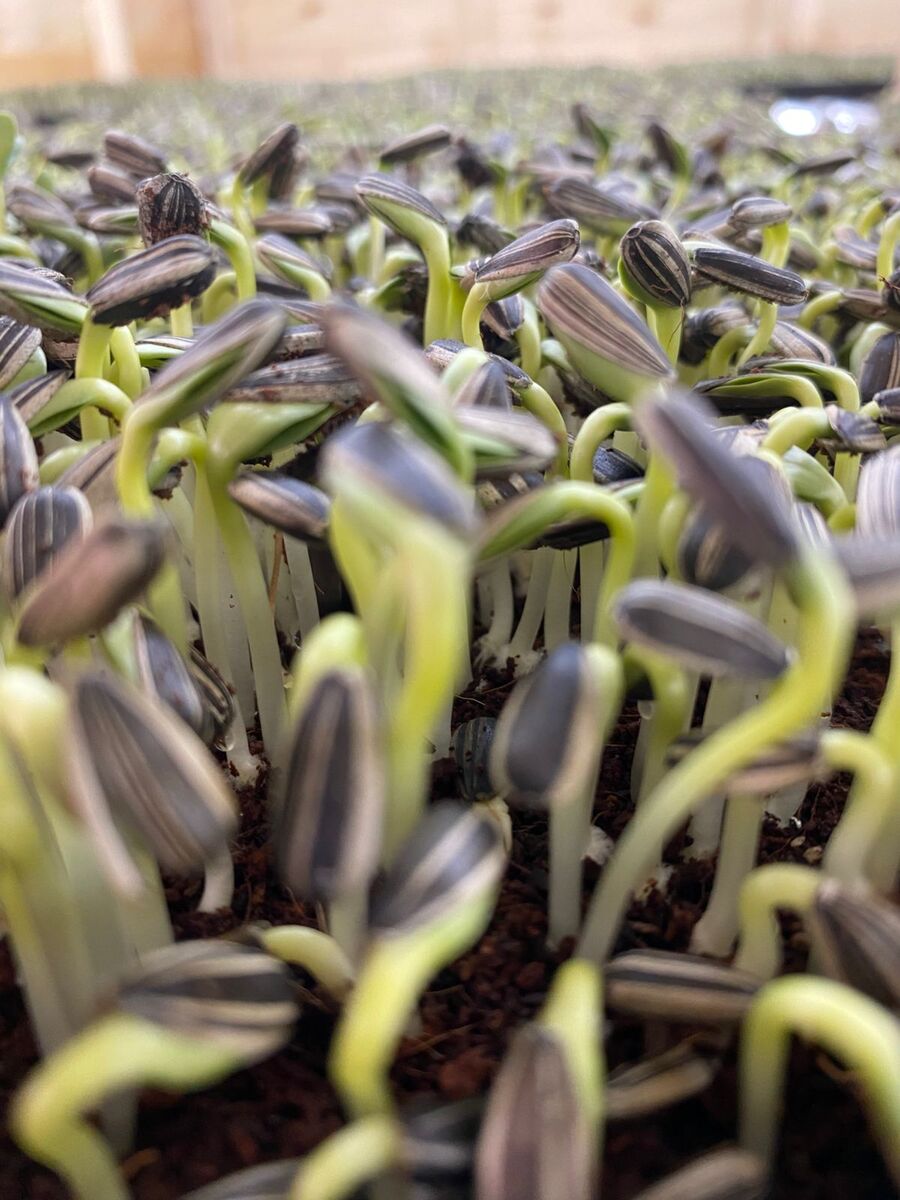
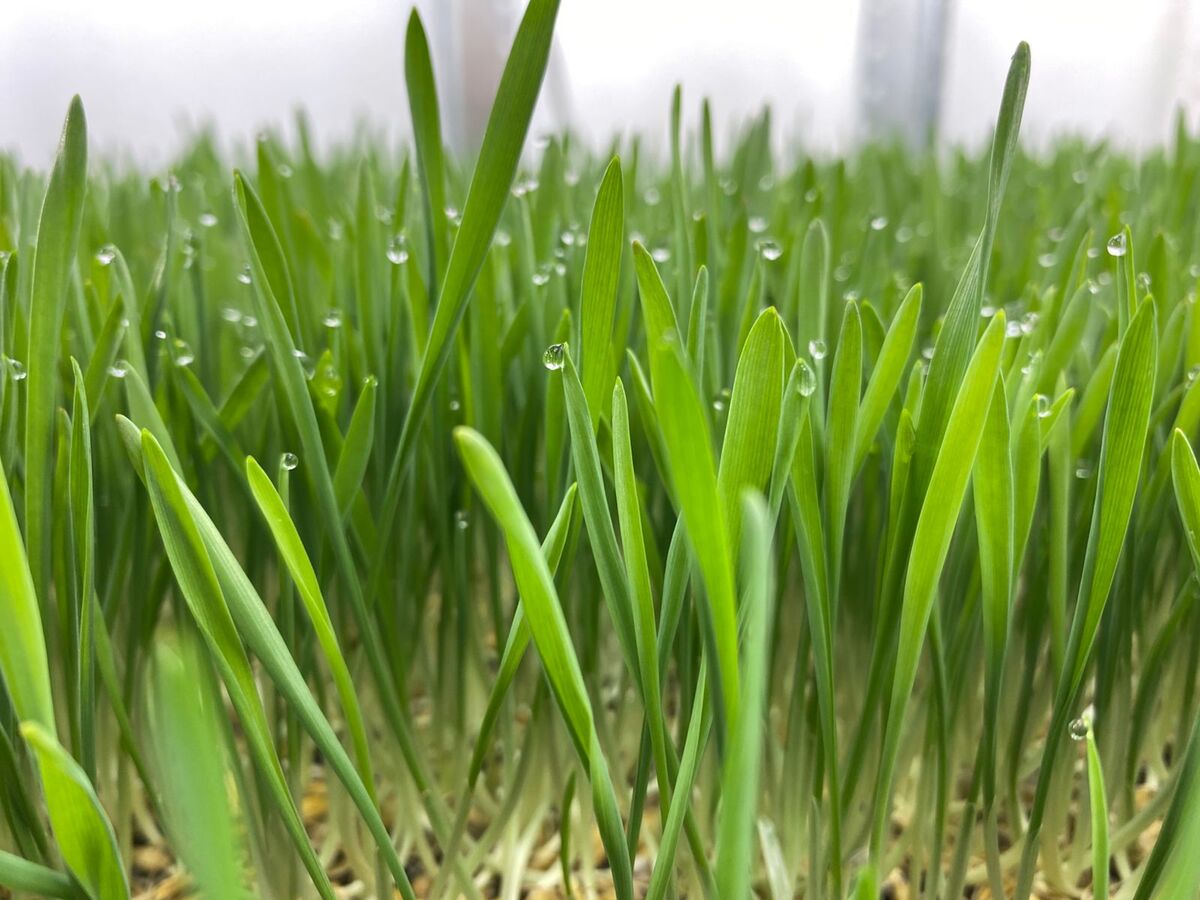
Ingredients: Wheatgrass, Sunflower Shoots, Peashoots, Red Amaranth.
Flavor: Earthy, mild, and slightly nutty.
Uses: Common in smoothies, juices, and health-focused meals due to its detoxifying properties.
Brassica Superfood Mix
Ingredients: Broccoli, Kale, Cabbage, Mustard, Kohlrabi.
Flavor: A mix of sweet, earthy, and slightly spicy notes.
Uses: High in antioxidants, used in smoothies, soups, and health-conscious meals.
Vitamin Boost Mix
Ingredients: Beetroot, Swiss Chard, Spinach, Red Amaranth.
Flavor: Earthy, slightly sweet, and mildly bitter.
Uses: Packed with vitamins A, C, and iron, perfect for smoothies, salads, and power bowls.
Peppery Punch Mix
Ingredients: Mustard, Radish, Cress, Nasturtium.
Flavor: Strongly peppery and spicy.
Uses: Adds bold flavors to sandwiches, salads, and gourmet plates.
Fresh Garden Mix
Ingredients: Lettuce, Peashoots, Parsley, Dill.
Flavor: Mild, crisp, and slightly herbaceous.
Uses: Ideal as a salad base or as a fresh garnish for soups and main dishes.
Custom Mixes
Can be tailored to customer preferences with any combination of the available microgreens and herbs.
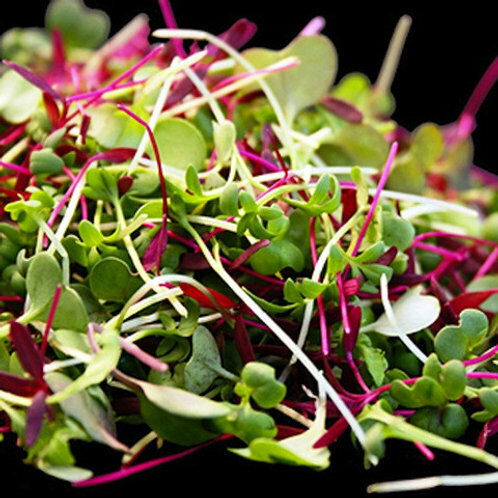
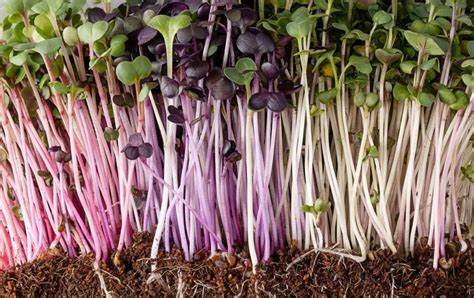
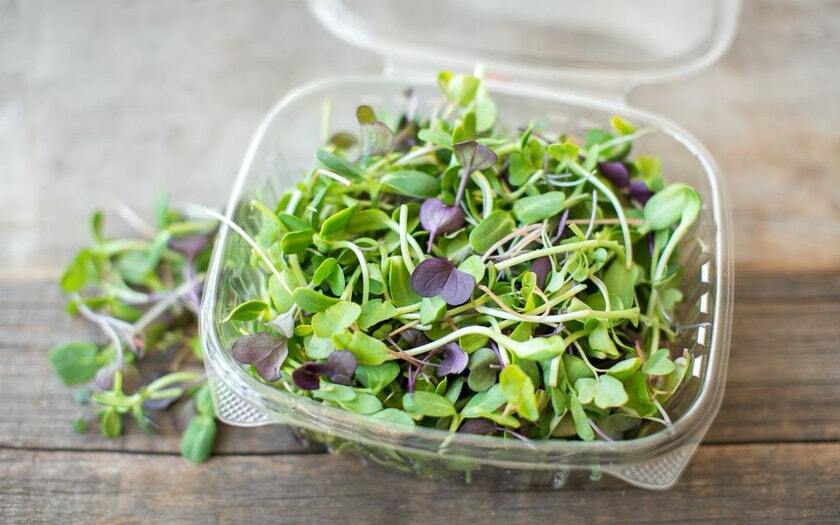
HEAL Microgreens is proud to partner with Microthumbs—our team has been rigorously trained by their experts in cutting‑edge microgreen cultivation. As a certified supplier, we uphold Microthumbs’ exacting standards for organic, non‑GMO, pesticide‑free production in every tray we grow. This partnership ensures that our customers receive the highest quality, most nutrient‑dense microgreens available.
By choosing HEAL Microgreens, you partner with true innovators in controlled‑environment cultivation—our precision LED‑lit trays and certified organic, non‑GMO seeds deliver vibrant, pesticide‑free harvests every week. You’ll receive bespoke varietals that elevate your menu or products, unwavering consistency you can trust, and unmatched freshness and nutrition that set your offerings apart.